Articles
Coal in Pakistan, plainly explained
What is happening with coal this season, which grade to burn, what sets the price, and what to check when a truck arrives. Written by the My Coal Desk and checked against our own price sheet, freight and lab reports. See our editorial policy.
All articles
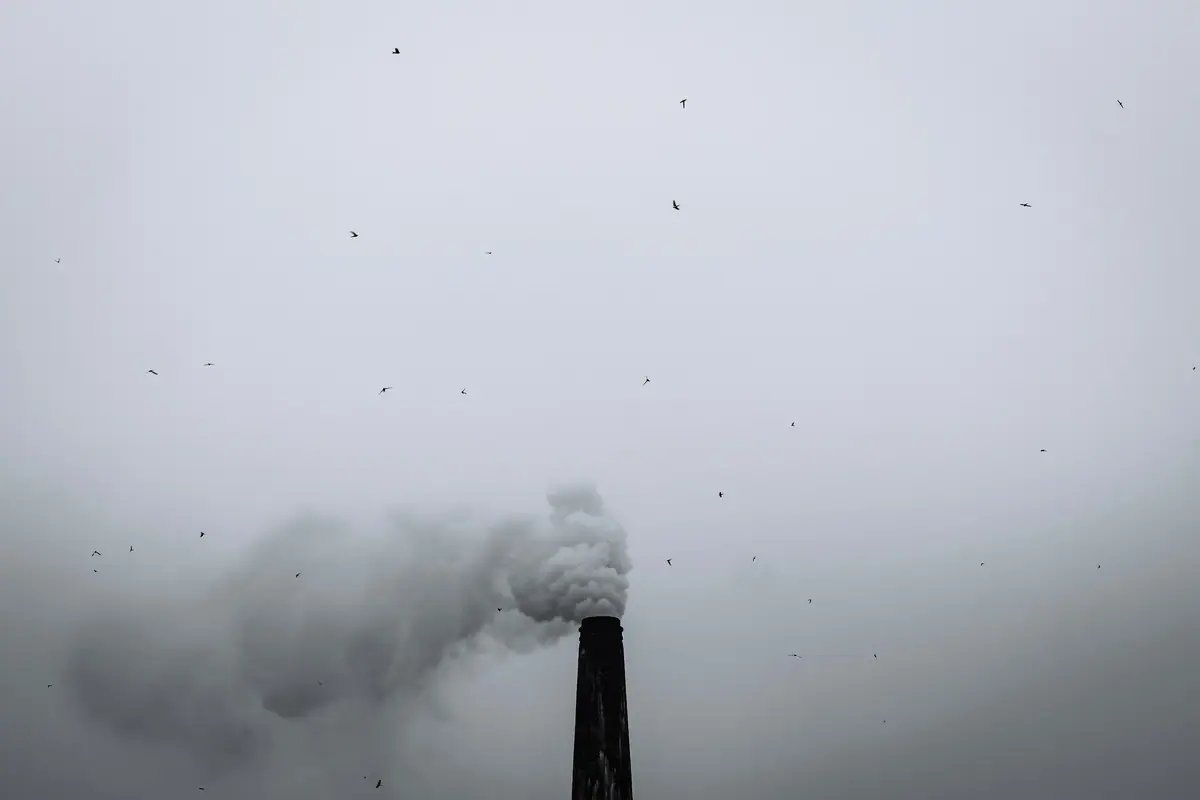
Smog crackdown in Punjab, November 2026: what it means for coal buyersThe smog crackdown in Punjab is still running daily: on 15 November the province reported 513 brick kilns inspected in 24 hours, 24 sealed and 6 demolished, with 11 industrial units sealed. As of 16 November we found no official order closing every kiln in the province, so a zigzag kiln with clean papers can keep firing and buying coal, one truck at a time. · 4 min read
Koyla shop near me: buying coal by the sack or kg in PunjabA koyla shop near me, for most people in Punjab, is the local coal depot or tal in the bazaar, which sells coal by the kg, the maund or the bori (sack). In Lahore that coal went from about Rs 40 a kg to Rs 50 to 60 in late October as LPG ran short. We sell only by the full truck, so this guide is for households, tandoors, small eateries and workshops buying a few sacks, and for anyone thinking of sharing a truck. · 4 min read
Coal for sugar mills: the 2026-27 crushing season, bagasse gaps and which grade to buyCoal for sugar mills is a stand-by fuel: a mill burns its own bagasse while it crushes and buys coal for the gaps, which are boiler start-up, days when cane runs short, and off-season power from a co-generation plant. A low-ash grade such as Sor Range suits a bagasse-fired boiler best, and one 25-tonne truck of it carries about as much heat as 87 tonnes of bagasse. This season's start is contested: Punjab and Sindh have both set 15 November 2026, while the mills' association said on 12 November that it would not crush before December. · 6 min read
Coal for rice mill dryers and parboiling: steam per tonne of paddy, husk and gradeCoal for a rice mill pays when the mill's own husk will not cover its parboiling and drying, which happens to a mill that sells husk or dries more paddy mechanically. A published estimate puts the fuel at about 200 kg of husk per tonne of paddy processed, close to all the husk that tonne yields, and the same heat comes from about 103 kg of Sor Range coal. Burn coal only in a boiler or an indirect dryer, never where its smoke touches the grain, and pick the lowest sulphur grade. · 5 min read
Balochistan coal supply after the minerals forum: what changes this winterBalochistan coal supply to Punjab mills, Karachi and the rest of the country does not change because of the Pakistan Minerals Investment Forum held in Islamabad on 12 and 13 November 2026. The speeches were about copper, gold and processing minerals at home, and the security pledge was for mines and investors in general; nothing reported from the forum named coal, coal royalties or coal leases. What does decide your winter supply is the same as last year: safety and security at the mines, the roads out of the province, and how much stock you hold when one of them stops. · 6 min read
Thar coal price for industry in 2026: Sindh's new framework and your gate costThe Thar coal price that power plants pay was Rs 14,374 a tonne at the mine for April to June 2026, but Sindh has not yet published the price it will charge factories and kilns. The Thar Coal and Energy Board approved a separate pricing chapter for non-power buyers on 5 November 2026, with short-term and long-term terms, and the figures are still to come. Until they do, the power tariff is the best yardstick, and on heat delivered to a Punjab gate it does not beat Balochistan coal once freight is added. · 5 min read
Captive power gas levy in 2026: what it now adds to steam, and when coal paysThe captive power gas levy is down to Rs 343 per MMBtu for August 2026, the latest month notified, from Rs 1,406 in January, after the formula was changed with the IMF. That cut a mill's captive gas bill by about a fifth, but gas steam still costs well over coal steam at this week's delivered coal prices. The sums below show where the break-even sits and what to check before you put in a coal boiler. · 4 min read
Bio-coal in Pakistan: what the crop residue pellets are and how a mill should trial themBio-coal in Pakistan, as most mills will meet it, means pellets made by roasting cotton stalks and sugarcane waste, from a UK-funded plant being set up at the University of Kamalia in South Punjab. It is not on sale yet, three textile producers have only signed letters to test it, and the 40 to 50% saving its developers mention has not been shown in a Pakistani boiler. Below is what the pellets are, what heat to expect against Duki coal, and how to run a trial that gives you a usable answer. · 5 min read
Firewood vs coal for boiler fuel: lakri, rice husk and coal costed per million kcalFirewood vs coal for a boiler in Punjab comes out in coal's favour: at the prices reported this autumn, wood costs more for the same heat. Dry wood sold at Rs 1,500 to 1,800 a maund in Rawalpindi on 1 November works out at about Rs 10,681 to 12,817 per million kcal, against about Rs 8,625 for Duki lump delivered. Rice husk has no reliable published price, so we give its heat value and the price at which it would match coal. · 4 min read
Petcoke price in Pakistan against local coal: heat, sulphur and the break-evenThere is no published petcoke price in Pakistan that we could find: the cement plants that burn it buy imported cargoes on private contracts, and the public benchmarks are foreign port prices sold by subscription. What you can work out is the price petcoke has to beat. On this week's sheet, petcoke at about 8,000 kcal/kg must reach your gate below Rs 69,000 a tonne to give cheaper heat than Duki lump delivered. · 5 min read
EPA Punjab smog inspection 2026: what the teams check at a coal-fired millAn EPA Punjab smog inspection at a factory in 2026 checks four things the agency's own order names: the emission control system, CCTV connection, approved fuel and stack emissions. Brick kilns are checked for zigzag design and their unique ID. Below is what each check means for a mill or kiln burning coal, the stack limits it is measured against, and the fuel papers that show what you burned. Brick kiln owners should start with our zigzag kiln rules guide instead. · 5 min read
Coal testing lab in Pakistan: where to send a sample and what to orderA coal testing lab in Pakistan means PCSIR in Lahore or Karachi, or an inspection company's lab in Korangi, Karachi. Bureau Veritas runs the one coal lab we could confirm on the national accreditation list, with calorific value, ash, moisture, volatile matter and sulphur in its scope. None of these labs publishes a coal fee that we could find, so below is what a result is worth on a truck and what to ask before you send a bag. · 4 min read
Sales tax on coal in Pakistan: 18% or Rs 700 a tonne, and how to keep your claimSales tax on coal in Pakistan is 18% of the value or Rs 700 a tonne, whichever is higher, for locally produced coal. Every grade on our sheet is priced far above the point where the Rs 700 floor would matter, so in practice you pay 18%. Watch how you pay: a registered buyer who settles a truck in cash can lose the right to claim the tax back. · 3 min read
How much coal does Pakistan import? The 2026 figures, and who is burning itPakistan imported about 7.0 million tonnes of coal in the first nine months of FY2025-26, up about 25% on a year earlier, according to PACRA. Port Qasim alone handled 10.95 million tonnes in the full year to June 2026. The sharper news for a local buyer is on the demand side: brick kilns burned nearly twice as much coal as the year before. · 3 min read
Balochistan coal transport strikes: what stopped the trucks from 2024 to 2026Balochistan coal transport has been stopped or squeezed five times since October 2024: an attack on miners, a coal truckers' strike, two nationwide transport strikes and a one-day provincial shutdown. Nine days is the longest stoppage with a firm length in the reports. Plan your stock around that figure and not around a normal week's delivery. · 4 min read
RDF fuel in cement plants: how much coal will it replace in Pakistan?RDF fuel in cement plants in Pakistan is still a small part of the fire, and a coal seller should plan on it staying small for now. Pioneer Cement's management expects alternative fuels at around 7% of consumption across producers in FY27, according to CemNet's summary of AKD Securities. Refuse-derived fuel is shredded, sorted rubbish, and India's top cement grade starts at 4,500 kcal/kg against 6,000 for our Duki lump. · 3 min read
Sindh coal for Punjab buyers: Lakhra, Jhimpir and Khanot coal and what it costs to truckSindh coal from Lakhra, Jhimpir and Khanot is lignite, a lower-heat, wetter fuel than Duki or Chamalang, and it pays only for some Punjab buyers. We also supply it from the mines near Hyderabad. Below is how it compares and what a truck costs to move into Punjab, using a real freight rate card. · 4 min read
Diesel at Rs 390 a litre: what it does to the freight on your coalDiesel was Rs 393.66 a litre on 24 October, and goods transporters put fares up 10% in September. On a long haul into Punjab the truck is a large part of what a coal buyer pays, so every fortnightly price notice lands on your invoice. · 3 min read
Which coal is cheapest per unit of heat? Worked sums on this week's sheetThe cheapest coal per tonne is rarely the cheapest coal to burn. Our fines cost the least on the sheet but hold 5 million kcal a tonne against 6.5 million in Sor Range. Cost per million kcal is the price per tonne divided by the heat in kcal/kg over 1,000, and it takes a minute. · 2 min read
Coal rate per maund: converting the trade sheet for depots, traders and kitchen groupsThe coal rate per maund is the price per tonne divided by 25, taking a maund as 40 kg. Depots, restaurant groups and traders talk in maund while our sheet is priced by the tonne, so here is this week's sheet converted both ways. For the price per kg, and why a shop charges more than the sheet, see our separate guide. · 2 min read
How much coal stock to hold before December gas cuts and fogA factory on coal in December can be stopped by two things on the calendar: gas cuts that send everyone to coal at once, and fog that holds trucks on the motorway. Stock to hold is the daily burn times the days between order and delivery plus a fog buffer, rounded up to whole trucks. · 3 min read
EU carbon border tax: what it means for the coal you burn if you exportMost of our buyers sell inside Pakistan and will never see a carbon border tax, but a cement or steel exporter will, and a textile mill may in time. For them the coal burned on site is one of the first things a European customer asks about, and the answer is mostly paperwork. · 3 min read
Mixing coal grades: how blending lump with fines or run-of-mine changes cost and heatBlending coal grades is a weighted average: a mix's heat, ash, sulphur, moisture and price are each coal's value times its share by weight. A blend of 6,000 and 5,000 kcal/kg coal cannot beat 6,000, so the saving in price has to be set against the loss of heat. · 3 min read
Clinker in a coal boiler or furnace: why ash fuses and how to stop itClinker is coal ash that has melted and set into hard glassy lumps on or above the grate. Plants that went back to coal this year often meet it in the first few weeks: the lumps cover the air holes, the fire runs uneven and the boiler loses output. · 3 min read
Iran border reopened: what LPG supply means for hotels, kitchens and small factoriesThe Iran border reopened on 24 October, but LPG is still coming through slowly, so hotels, commercial kitchens and small factories that moved to coal should not rush back. The Gabd-Rimdan crossing had been shut since 17 October, and the queue of trucks on both sides is still clearing. · 3 min read
Coal mine safety in Balochistan: what Sorange tells buyersCoal mine safety in Balochistan became a buyer's issue in late July 2026, when a methane explosion at Sorange killed 34 miners. Sorange is about 50 km from our Quetta depot. Most buyers in Punjab and Karachi never see the mine, so what follows is what happened, why methane does this, and what a buyer can ask a supplier for. · 3 min read
Gas load shedding this winter: how much backup coal a factory needsGas load shedding in winter 2026 to 27 has no announced schedule yet, and a factory cannot wait for one. As of 28 October SNGPL has published nothing, so the useful number is how much coal your boiler would burn on the day the gas drops. · 3 min read
Quetta's winter coal trade: what depots stock for bukharis and when to buyQuetta's winter coal trade runs on the bukhari, the closed iron stove that gets houses through December and January when gas pressure drops and nights fall below freezing. A depot owner or retailer stocking for it needs three answers: which coal sells, how many households a truck serves, and when to buy. · 3 min read
How to start a coal business in Pakistan: depot or trading, step by stepTo start a coal business in Pakistan you need a source, a registration and enough cash to pay for a truck before anyone pays you. A truck is 25 tonnes at the least, so the order below puts money first and the yard last. · 4 min read
Types of coal explained: lignite to anthracite, and where Pakistan's coal sitsThe types of coal are four ranks: lignite, sub-bituminous, bituminous and anthracite, from young and wet to old and hard. A boiler manual or a tender sometimes asks for one by name, so here is what each means and which of them Pakistan actually digs. · 3 min read
Coal reserves in Pakistan: field by field, and what a buyer can usePakistan's coal reserves are quoted at about 185 billion tonnes, and 99.7% of that is Thar lignite in Sindh. The coal that kilns and boilers in Punjab and Karachi burn comes from fields holding a few million tonnes each, so the headline number tells a buyer very little. · 2 min read
Coal briquettes in Pakistan: what a depot can do with a heap of finesCoal briquettes in Pakistan are fines (choora) mixed with a binder and pressed, and they are a way for a depot with a heap of unsold fines to reach buyers who cannot use dust: tandoors, small kitchens, poultry heaters. A briquette cannot hold more heat than the fines it came from, and the sums leave little room for the cost of pressing. · 3 min read
What to do with coal ash from a kiln or boiler, step by stepCoal ash from a kiln or boiler is roughly the ash percentage on your analysis, so a plant burning five tonnes a day of 15% ash coal has three quarters of a tonne to deal with every day. It starts with what you bought, and ends with where it goes. · 2 min read
Sulphur in coal: what it does to a boiler or kiln and how to manage itSulphur in coal from Balochistan runs 3% to 6%, and a buyer who has used imported coal sees it in the chimney, the boiler tubes and the bricks. It can be managed once you know where it goes when the coal burns. · 3 min read
ADB and ARB on a coal report: what the difference meansTwo lab reports for the same coal can show heat values a few hundred kcal apart and both be right, because one is on an air dried basis (ADB) and the other as received (ARB). ARB is the coal as it arrives with all its water; ADB keeps only the water locked inside the coal, so every ADB figure for heat, ash and sulphur is higher. · 2 min read
How many tons of coal can a truck carry in Pakistan?A 10-wheeler is quoted at 25 to 30 tons of coal in the trade, a 22-wheeler trailer at 40 to 50 and a 6-wheeler at about 10. The law gives lower numbers for some of them, because it counts axles, not what fits on the deck. · 2 min read
LPG shortage: what coal costs a hotel, kitchen or small factory a monthCoal for cooking and heating costs a fraction of LPG for any kitchen or workshop that burns gas in volume. At Rs 7,000 a 12 kg cylinder, a kitchen using 240 kg of LPG a month pays about Rs 140,000; the same heat from lump coal costs between roughly Rs 24,200 and Rs 72,600, depending on how much heat the stove throws away. · 3 min read
Coal heaters and carbon monoxide at depots, kilns and workplacesA coal heater in a depot office, a watchman's cabin or a worker's room can fill the space with carbon monoxide, a gas with no colour, smell or taste. The risk is highest on winter nights, when doors are shut and the person nearest the stove is asleep. · 3 min read
Tandoor chains and depots: a month of coal and how to order by the truckA tandoor on coal burns roughly 18 kg a day on the one published figure. That is about half a tonne a month per outlet, and a full 25 tonne truck for a group of 25 outlets in under two months. For a dhaba chain, a restaurant group or the depot that supplies them, coal is bought by the truck, not the sack. · 3 min read
Charcoal vs coal: which one for a BBQ restaurant, a depot or a kilnCharcoal vs coal looks like a small question until a kiln owner orders the wrong one. Both are called koyla in Urdu. Charcoal is wood cooked down to carbon and belongs on a grill; mineral coal is dug from the ground and belongs in a kiln, boiler or foundry. · 3 min read
Coal price per kg in Pakistan: a depot owner's sums against the tonne priceThe coal price per kg in Pakistan was Rs 50 to 60 in late October 2026, against Rs 52 a kg for Duki lump delivered to Punjab on our sheet. The two are not the same market, and sales tax closes most of the gap. Depots that quote by the 40 kg unit are covered in our coal rate per maund. · 3 min read
Will coal prices go up this winter? What is pushing them in 2026Coal prices are more likely to rise than fall this winter, because every group of buyers we can see is adding demand and none is leaving. Nobody can name the February price, but what a rise costs on a truck is plain arithmetic, and ordering ahead is cheaper than waiting. · 3 min read
Imported coal at $130 a tonne: what it means for local buyersImported coal at $130 a tonne is the Richards Bay price on a ship in South Africa, not a price at your gate. At about Rs 277 to the dollar it is roughly Rs 36,000 a tonne before sea freight, port costs, taxes and the road, and it only compares with local coal once both are priced per million kcal. · 3 min read
Overloading fines going up: what coal buyers need to know in 2026Truck overloading fines are on their way up, and the communications minister has said factories may be fined along with truck owners. A coal truck from Quetta that carried whatever it could fit is now a problem for the buyer too, so the axle limits are worth knowing before your next order. · 4 min read
Thar coal Phase III is running: can factories buy Thar coal?Can factories buy Thar coal? Not on a regular basis, and a Punjab kiln or boiler would not want much of it if they could. Phase III of Thar Block II opened in early October 2026 and lifted output from 7.6 to 11.2 million tonnes a year, but nearly all of it feeds power plants. · 3 min read
Textile boilers: planning coal for winter gas cuts in FaisalabadTextile boiler coal for a 10 t/h boiler comes to about 29 tonnes of Duki lump a day, close to one 25 tonne truck every day, on the assumptions below. A mill in Faisalabad or Lahore that runs steam on gas should fix that number, the coal size and the ash plan before a gas cut forces the switch. · 4 min read
Can brick kilns in Punjab burn biomass in 2026?Brick kilns in Punjab cannot yet rely on biomass. No rice husk, bagasse or pellet fuel has been approved for 2026, and the kiln owners' association is still waiting for the list it asked for. · 3 min read
How much coal for 1,000 bricks? Figures and costA zigzag kiln burns about 120 kg of coal per 1,000 bricks and an old straight line FCBTK about 160 kg. Those are the best published figures, and your own kiln will differ from them. · 4 min read
Coal for poultry shed heating: ordering for a farm clusterCoal for poultry shed heating suits commercial farms that run controlled sheds through the brooding season, and it is cheapest bought by the truck. One 25 tonne load is more than most single farms use, so the usual route is a cluster of farms ordering together. · 4 min read
Coal for lime kilns (chuna bhatti): grade, size and ratioCoal for lime kilns has to hold 900 to 1,100°C through the whole charge, and in a mixed feed kiln its ash and sulphur stay in the lime you sell. That makes a chuna bhatti pickier about coal than a brick kiln. · 4 min read
Coal for foundries and steel mills in Punjab: what worksMineral coal belongs in the reheating furnace of a re-rolling mill and in some forging hearths. It does not belong in a cupola, which runs on coke, or in an induction furnace, which runs on electricity. · 3 min read
How to avoid coal scams in Pakistan: checks that save you moneyTo avoid coal scams in Pakistan, check the supplier before you pay, the weight at both ends of the road, and the coal on the day it is tipped. Each step below catches a different trick, in the order a truck moves. · 4 min read
How to store coal at your site without fires or wet stockTo store coal safely, keep the pile low, compacted and short-lived, and read its temperature. A big loose heap can warm itself into a smoulder with no flame anywhere near it, and an open one soaks up rain and fog. · 4 min read
Coal sizes explained: lump, run-of-mine, nuts and chooraCoal sizes decide how a fuel burns: two trucks of the same Duki coal behave differently if one is lump and the other mostly dust. These are the mm ranges we load and what each size is for. · 3 min read
Gas, coal or furnace oil: what steam costs a factory in 2026Steam cost comes down to one formula: cost per million kcal = fuel price ÷ (calorific value × boiler efficiency). Fill in this week's price for gas, coal and furnace oil and the cheapest fuel for your boiler is clear in ten minutes. · 3 min read
First time buying coal by the truck: 10 questions to ask a supplierBefore you pay for a first truck, put ten questions to the supplier: grade, analysis, size, moisture, price basis, tax, freight, weighbridge, payment and what happens if the coal is wrong. A good supplier answers all of them without fuss. Once you have chosen one, our coal order checklist covers what to put in writing before the truck leaves. · 4 min read
Zigzag kiln rules in Punjab, smog season 2026: what the kiln checks mean for your coalLahore's air quality index went above 250 on 20 October, and the Punjab EPA teams were already out at the kilns. Smog season rules for brick kilns this year come down to design, fuel and smoke, and coal feeds into two of the three. Mills and boilers face a different check, set out in our EPA Punjab smog inspection guide, and this month's sealings are in our smog crackdown report. · 3 min read
Afghan coal not coming through? What to buy insteadChamalang and Sor Range are the closest Balochistan matches for the Afghan coal that factories in Punjab and KP used to burn. The border has been shut to trade since October 2025, so the question now is which one fits your furnace. · 3 min read
Why cement prices went up in 2026A 50 kg bag of cement averaged Rs 1,596 in the week to 8 October 2026, about Rs 201 more than a year earlier. Fuel explains a good part of it, but not all. · 2 min read
Why Pakistan is burning more coal for electricityPakistan is burning more coal for electricity because there is not enough imported gas. Coal made a record 22% of the country's power in the first nine months of the 2026 financial year. · 2 min read
How to check coal quality when the truck arrivesCheck a coal truck before it tips, because after the load is mixed into your stock a complaint is nearly impossible to prove. The routine takes about ten minutes and goes in this order. · 3 min read
Coal for cement plants: is local coal worth it in 2026?Local coal for cement plants works as a blend, not a replacement: Chamalang lump and Sor Range can take a share of the fuel while imported coal keeps sulphur in the kiln under control. The sums below show how much coal a kiln burns and how many trucks that means. · 2 min read
Coal freight from Quetta: what it costs to get coal to your siteCoal freight from Quetta to Punjab is the gap between the ex-Quetta and delivered columns on the price sheet, and on a long haul it is a large part of what a tonne costs. A transporter charges by the trip, so the load the truck carries decides the rate per tonne. · 3 min read
Imported coal or local coal: which is cheaper this year?For many industrial buyers local coal is now cheaper than imported coal per unit of heat. Richards Bay coal averaged about 114 dollars a tonne in July to September, around 133 dollars landed in Pakistan, against about 90 a year earlier. · 2 min read
Switching a boiler from gas to coal: what to know firstConverting a gas boiler to coal means a different boiler, not a different fuel line. A tonne of steam takes roughly 120 to 130 kg of 6,000 to 6,500 kcal/kg coal, and the sums below show the break-even against your gas bill. Once the boiler is converted, our guide to the best coal for boilers covers which grade to buy. · 3 min read
Thar coal or Balochistan coal for industry?Thar coal versus Balochistan coal comes down to water: Thar lignite is close to half moisture, so a truck of it carries about half the heat. For kilns and most boilers in Punjab, Balochistan coal is still the practical fuel. · 3 min read
Duki vs Chamalang coal: which should you buy?Duki versus Chamalang is mostly a question of ash. Both come from the Loralai side of Balochistan, both sulphur-heavy, and per million kcal the lumps price close together. Chamalang burns a little hotter and cleaner; Duki is cheaper and there is more of it. · 2 min read
The best coal for brick kilns in PunjabThe best coal for a brick kiln in Punjab is Duki run-of-mine for the main charge, with fines mixed in to cut the bill. After that it is a matter of cost per 1,000 bricks, which the sums below work out grade by grade. · 2 min read
How coal is priced in PakistanThe coal price per ton in Pakistan depends on five things: the field, the size, freight from Quetta, sales tax and the week. Two quotes for Balochistan coal can sit thousands of rupees apart, and most of that gap is one of those five. · 3 min read
Coal order checklist: what to settle before the truck leaves QuettaBuying coal by the truck is simple if the order is written down before the truck leaves Quetta. This is the list to settle first. If you have not chosen a supplier yet, start with the questions to ask a coal supplier. · 2 min read
The best coal for boilers in Pakistan: which grade and size to buyThe best coal for a boiler in Pakistan is usually Sor Range, because it has the lowest ash and sulphur of the Balochistan coals. Chamalang lump is the next choice when heat matters more than sulphur. If the boiler still runs on gas, read what switching from gas to coal involves first. · 3 min read
Coal fines (choora): what they are and who should buy themCoal fines, called choora, are the 0 to 10 mm coal and dust screened out when lump is sorted, and they are the cheapest coal we sell per tonne. They suit brick kilns that blend them; they do not suit most grate-fired boilers. · 2 min read
How to read a coal analysisA coal analysis lists calorific value in kcal/kg, moisture, ash, volatile matter, fixed carbon and sulphur, and you read it heat first, then moisture and ash, then sulphur. Two coals at one price can differ a lot, and the report says which gives more heat for the money. · 3 min read